
If you’re tired of shaving, waxing, or using creams, you may have considered laser hair removal. It’s a popular treatment that gives long-lasting results. However, like many people, you may have thought:
Is laser hair removal safe? Can it cause cancer?
Let’s learn about laser hair removal, how it works, and whether or not it can harm your body.
What Is Laser Hair Removal?
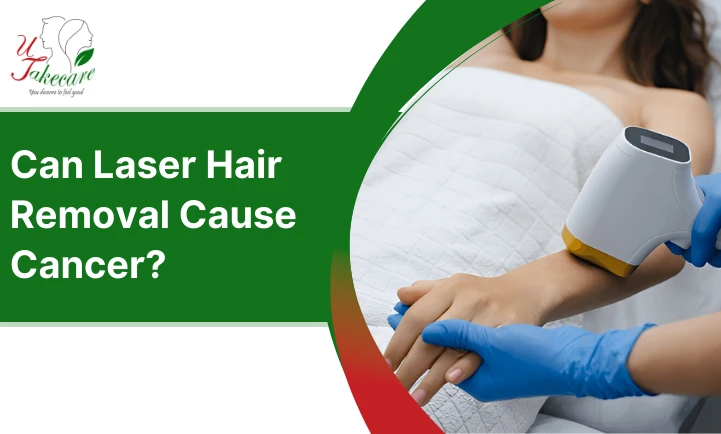
Laser hair removal is a method of hair removal that uses a strong beam of light to remove unwanted hair from the body. The laser beam targets the roots of the hair (the hair follicles) and damages them so that they stop growing new hair.
Is Laser Hair Removal Safe?
Yes, for most people, laser hair removal is safe. It has been done for many years and is a very common treatment in many parts of the world.
The laser used in this treatment does not penetrate deep into your body. The laser only affects the top layers of skin where the hair grows. It does not touch any of your internal organs, nor does it affect your overall health.
What About Radiation?
You might hear the word “radiation” and think it’s dangerous. But not all radiation is harmful.
Laser hair removal uses non-ionizing radiation. This is a type of radiation that does not damage your cells or DNA. It’s very different from harmful types of radiation, like:
- UV radiation from the sun (which can cause skin cancer)
- Ionizing radiation, such as X-rays or nuclear radiation (which can damage cells)
Because of this, the light used in laser hair removal does not cause cancer. It’s only focused on the skin’s surface and doesn’t go any deeper than needed.
Is There Any Proof It Causes Cancer?
No. There is no proof that laser hair removal causes cancer.
In fact, doctors sometimes use other types of lasers to treat skin problems even precancerous spots caused by sun damage. So, if anything, lasers can actually help prevent certain skin conditions when used the right way.
The light used in laser hair removal is very different from sunlight or X-rays. It does not carry the same risks.
Are There Any Side Effects of Laser Hair Removal?

Like any medical or cosmetic treatment, laser hair removal can sometimes cause side effects. But serious problems are very rare, especially if the treatment is done by a trained professional.
Some common, mild side effects include:
- Redness or swelling in the treated area (goes away in a few hours or days)
- Slight pain or discomfort during the treatment
- Temporary skin color changes (usually goes back to normal)
These side effects usually don’t last long and are not harmful.
In rare cases, people may have:
- More hair growth in the treated area (this is uncommon and often goes away)
- Changes in skin texture (especially if you were recently tanning)
- Scarring (more likely in people who scar easily)
- Blisters or crusting (can happen if you go in the sun too soon after treatment)
To avoid these problems, it’s best to:
- Follow all instructions from your doctor or technician
- Avoid tanning before and after treatment
- Stay out of the sun for a few days
- Use sunscreen to protect your skin
What About At-Home Laser Devices?
There are laser hair removal machines you can buy and use at home. These can be safe too, but they are not as powerful as the ones used in clinics. If you don’t use them properly, you might hurt your skin or not get good results.
Also, if you have darker skin or very light hair, at-home devices may not work as well. It’s always a good idea to talk to a doctor or skin expert before trying one of these at home.
The Bottom Line: Can Laser Hair Removal Cause Cancer?
No, it cannot.
This is a myth. Laser hair removal uses a type of light that is not dangerous. It does not cause cancer and has not been linked to any long-term health problems. It’s a safe and trusted method used by many people around the world.
Just make sure you:
- Go to a trained and certified professional
- Follow all safety tips before and after treatment
- Ask questions if you’re unsure
Final Thoughts
If you want smoother skin with less time spent on shaving or waxing, laser hair removal can be a good option. It is safe for most people, and serious side effects are extremely rare. Most importantly, there is no evidence that it causes cancer.
If you are still undecided, talk to a dermatologist. They can explain how it works, check your skin type, and help you decide if laser hair removal is right for you.